How Much Do Finished Basements Add to Omaha Home Value?
A finished basement can add meaningful value to an Omaha home, but it usually should not be valued the same way as finished space above grade. The amount depends on the basement’s size, finish quality, layout, light, bedroom and bath functionality, walkout access, and what buyers have actually paid for similar homes nearby.
Quick answer
- A finished basement usually adds value, but there is no reliable Omaha-wide dollar-per-square-foot rule.
- Above-grade finished area and below-grade finished area should be compared separately.
- A walkout, good natural light, usable bedrooms, a bathroom, and consistent finish quality can improve how buyers respond to the space.
- The best evidence is recent sales of homes with similar above-grade size and similar basement finish.
- If you are selling, the basement should be marketed clearly without pretending it is the same as above-grade square footage.
Why finished basement square footage is different
Homeowners often look at total finished square footage and assume every finished foot should carry the same value. Appraisal practice does not work that way. Fannie Mae currently requires appraisers to report finished above-grade area separately from finished below-grade area for applicable one-unit properties. Even a finished walkout level can be classified as below grade if any portion of that level is below ground.
That does not mean the basement has no value. Fannie Mae specifically notes that below-grade finished rooms can add substantial value, particularly when the finish quality is high. The important point is that the value is analyzed separately rather than simply added to the above-grade area at the same rate.
That distinction is one reason online listings, tax records, appraisals, and homeowner estimates can show different square-footage numbers for the same Omaha house.
What makes one Omaha basement worth more than another?
Two homes can each have 1,000 finished basement square feet and still get very different reactions from buyers. I would look at the usefulness of the space, not just the size.
- Walkout access: A true walkout can make the lower level feel more connected to the yard and less like secondary space.
- Natural light: Larger windows and better light generally make the space feel more like the rest of the home.
- Bedroom functionality: A legal and functional bedroom can matter more than an oversized open rec room, depending on the buyer.
- Bathroom: A finished bath can make a basement much more useful for guests, older children, entertaining, or multigenerational living.
- Ceiling height and layout: Low ceilings, awkward mechanical-room placement, support columns, or chopped-up rooms can reduce usability.
- Finish quality: Buyers notice whether the flooring, trim, doors, lighting, cabinetry, and bathroom finishes feel consistent with the rest of the house.
- Condition: Moisture history, foundation concerns, odors, or visible repairs can overwhelm the value of cosmetic basement finishes.
The biggest mistake is using one dollar-per-square-foot number
I would not take the sale price of a nearby house, divide it by total finished square footage, and then multiply that number by your home’s total finished area. That can create a very misleading estimate.
A better approach is to compare homes in layers. Start with properties that are reasonably similar in location, style, age, above-grade finished area, lot, garage, condition, and major features. Then compare the amount and quality of finished space below grade.
For example, a 2,000-square-foot two-story with a beautifully finished 1,000-square-foot walkout basement should not automatically be treated like a 3,000-square-foot above-grade house. Buyers may value both homes highly, but they are buying different products.
If you want the broader framework, my guide to how Omaha home values are determined explains why the most relevant comparable sales matter more than a citywide average.
Does a finished basement count when you sell?
Yes. It should absolutely be part of the marketing and pricing discussion. The key is describing it accurately.
A finished lower level may add bedrooms, a bath, office space, a theater, a wet bar, a gym, a guest area, storage, or a second living room. Those features can change how a buyer uses the home and how the property compares with competing listings.
What I would avoid is presenting below-grade finished area as though it were identical to above-grade finished area. Clear marketing helps buyers understand exactly what they are getting and reduces surprises later when financing or appraisal enters the transaction.
Can finishing a basement be a good project before selling?
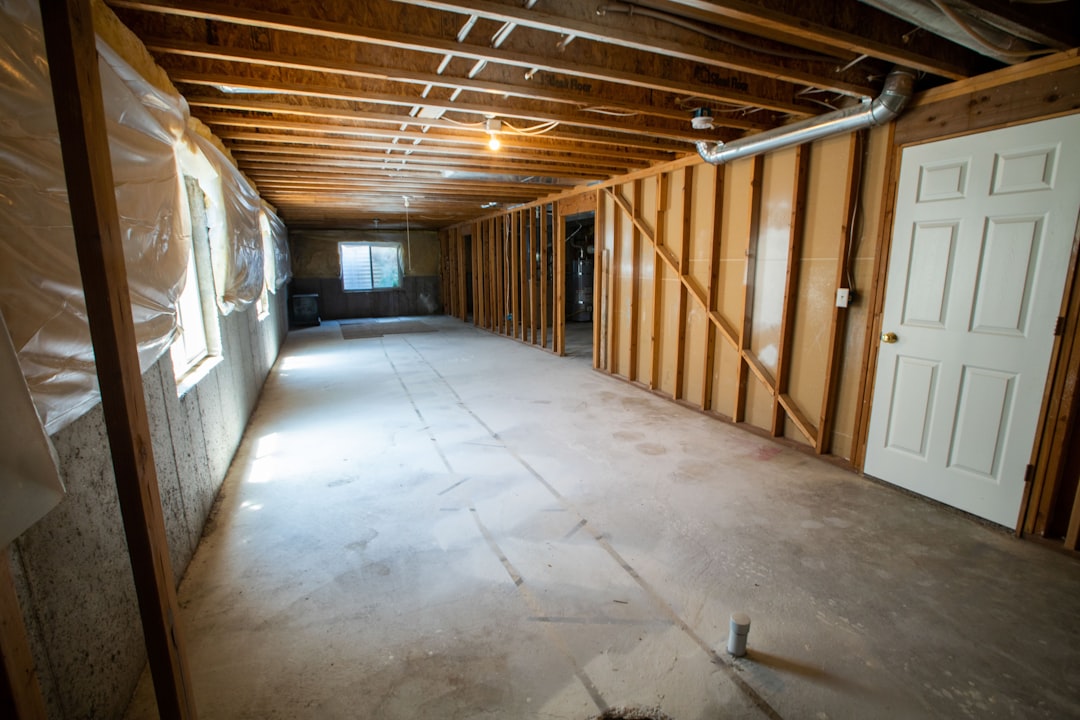
Sometimes, but I would be cautious about finishing an unfinished basement solely because you plan to sell soon. A major basement project can cost a lot, take months, and introduce design choices that the next buyer may not value as much as you do.
If the basement is already finished but dated, smaller improvements may make more sense. Cleaning, paint, lighting, flooring repairs, trim work, and correcting obvious maintenance issues can improve presentation without turning the sale into a renovation project.
If you are deciding where to spend money before listing, compare the basement project with the other items in my guide to home improvements that may add value before selling in Omaha.
I do not value a finished basement by asking what it cost to build. I look at what buyers have paid for similar homes with similar lower-level space.
Professional observation from Lee Curtis
How I would estimate the basement’s contribution to value
- Establish the home’s above-grade comparison group. Find sales that match the house before giving the basement extra credit.
- Compare basement size and finish. Look for finished versus unfinished, walkout versus non-walkout, bathrooms, bedrooms, natural light, and quality.
- Check actual market reaction. Compare sale prices, days on market, concessions, and whether buyers consistently paid more for the more functional lower levels.
- Adjust for the rest of the property. Garage size, lot, updates, roof, HVAC, kitchen, baths, location, and overall condition still matter.
- Use a range, not fake precision. Residential pricing is rarely accurate to a single dollar before the market tests the home.
Want to know what your finished basement is actually adding?
I can compare your Omaha home with recent sales that have similar above-grade size and similar finished lower levels. That gives you a much more useful value range than simply multiplying total square footage by an average price per foot.
Frequently asked questions
Does a walkout basement count as above-grade square footage?
Not necessarily. Under current Fannie Mae appraisal guidance for applicable properties, a level is considered below grade if any portion is below ground. Finished below-grade area is reported separately, even though it can still contribute meaningful value.
Is basement square footage worth half of above-grade square footage?
There is no universal percentage I would use for every Omaha home. The contribution depends on the local comparable sales and the basement’s quality, function, light, access, condition, and finish.
Does an extra basement bedroom increase value?
It can, especially when the room is functional and buyers see it as useful additional sleeping space. The impact still depends on the rest of the home and how comparable properties are selling.
Should I finish my basement before selling?
Usually I would compare the likely value improvement with the full project cost, time, and risk before committing to a major finish. Smaller presentation improvements may produce a better seller outcome when the move is already approaching.
Related Omaha home-value guides
- How Much Is My Omaha Home Worth?
- Which Home Improvements Add Value Before Selling in Omaha?
- How to Price Your Omaha Home to Sell
- Assessed Value vs. Market Value in Omaha
For current Fannie Mae appraisal guidance on above-grade and below-grade finished areas, see Fannie Mae’s current Selling Guide.