How to Prepare Your Omaha Home for Sale
Preparing an Omaha home for sale is not about making it perfect. It is about removing the distractions, maintenance concerns, and presentation problems most likely to make buyers hesitate. The strongest plan usually focuses on repairs, cleaning, clutter, lighting, curb appeal, room function, and photography before spending heavily on major renovations.
The right preparation plan should fit the home, the likely buyer, your timeline, and the expected return. A busy family home, an estate, a vacant property, and a recently updated house should not all be prepared the same way.
Quick answer
- Fix active leaks, safety concerns, obvious damage, and unfinished work first.
- Declutter enough to make rooms, storage, and walkways easy to understand.
- Deep clean, improve lighting, neutralize odors, and simplify the exterior.
- Use furniture and staging to clarify room function rather than decorate for decoration’s sake.
- Complete photography only after the home is fully ready.
- Do not begin a major renovation until the likely return, timing, and risk have been reviewed.
Start with the sale strategy, not the project list
Preparation decisions should come after you understand the home’s likely value range, estimated net proceeds, probable buyer, and intended timeline. Otherwise, it is easy to spend money on work that does not meaningfully improve the sale.
Ask four questions before approving a project:
- Will buyers in this price range notice and value the change?
- Does the work remove a real objection or merely update personal style?
- Can it be completed well and on time?
- Is the likely benefit worth the cost, delay, and risk?
For a broader overview of the full process, read How to Sell a House in Omaha: A Step-by-Step Guide.
1. Address repairs and deferred maintenance
Buyers do not only respond to the cost of a repair. They respond to uncertainty. A visible leak, damaged trim, loose railing, stained ceiling, unfinished patch, or nonworking fixture can make a buyer wonder what else has been neglected.
Start with issues that affect safety, function, moisture, structure, or confidence:
- Active plumbing or roof leaks
- Water intrusion or unresolved moisture
- Unsafe steps, railings, outlets, or exposed wiring
- Broken windows, doors, locks, or garage components
- Nonworking major fixtures or appliances included in the sale
- Loose flooring, damaged drywall, or unfinished repairs
- Exterior rot, peeling areas, or obvious drainage concerns
Not every older component must be replaced. The goal is to separate age from neglect and make the home feel cared for.
2. Decide whether cosmetic updates are worth doing
Cosmetic work is most useful when it improves consistency, light, cleanliness, or first impressions. Fresh neutral paint, repaired trim, updated bulbs, clean grout, simple hardware changes, or replacement of visibly damaged flooring can help buyers focus on the home instead of a list of immediate projects.
That does not mean every dated finish should be replaced. A clean, maintained, slightly dated home can be more appealing than a rushed remodel with inconsistent workmanship.
Review the tradeoffs in Which Home Improvements Add Value Before Selling in Omaha?
Find out what is worth doing before you list
I’ll help you separate the work that may improve the sale from the projects that are likely to cost more time and money than they return.
3. Declutter without making the home feel empty
Decluttering should make the home easier to understand. Buyers need to see room size, storage, traffic flow, and function. They do not need every personal item removed.
Focus on:
- Clearing floors, counters, and major furniture paths
- Reducing oversized or unnecessary furniture
- Organizing closets enough to show usable storage
- Removing collections that dominate a room
- Simplifying refrigerator doors, bathroom counters, and work surfaces
- Packing items you will not use before the move
The goal is clarity, not sterility. A comfortable, lived-in home can still show well when buyers can easily understand each space.
4. Deep clean and remove odor sources
Cleaning is one of the most reliable ways to improve buyer confidence. It affects how buyers interpret maintenance, age, and overall condition.
Pay particular attention to:
- Windows, screens, tracks, and glass doors
- Kitchen surfaces, appliances, cabinets, and vent hoods
- Bathrooms, grout, caulk, mirrors, and fixtures
- Floors, baseboards, vents, and ceiling fans
- Basements, utility rooms, and mechanical areas
- Pet areas, smoke, dampness, and other odor sources
Heavy fragrances usually do not solve an odor problem. They can make buyers more suspicious. Remove the source, clean the affected area, ventilate, and use neutral air rather than trying to cover it.
5. Improve lighting and visual consistency
Dark rooms can feel smaller and less maintained. Replace burned-out bulbs, use consistent light temperatures where practical, clean fixtures, open blinds, trim vegetation blocking windows, and make sure every important space has adequate light.
Consistency matters more than choosing the most expensive fixture. A home with mismatched bulbs, missing covers, and several visibly dated or damaged fixtures can feel less finished than it really is.
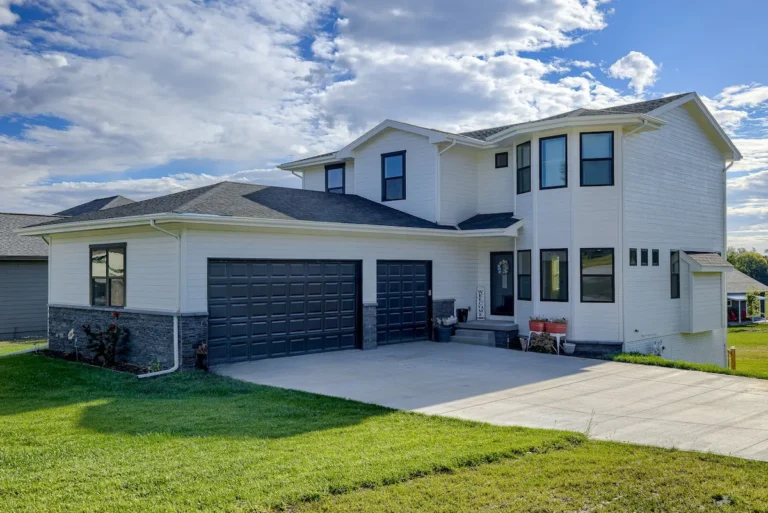
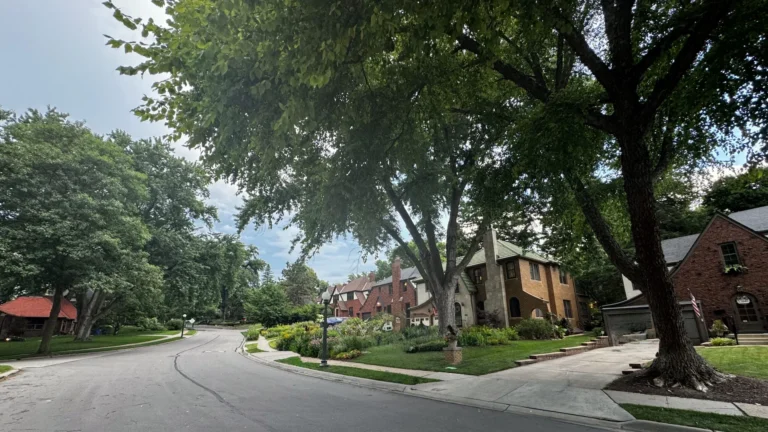
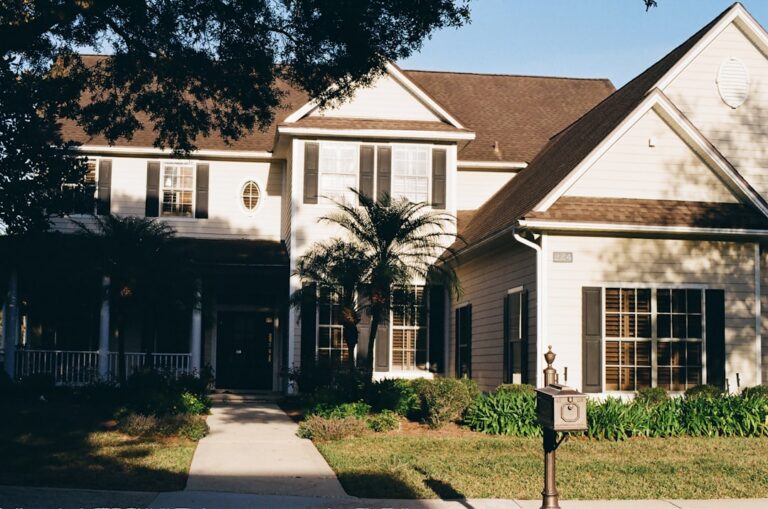
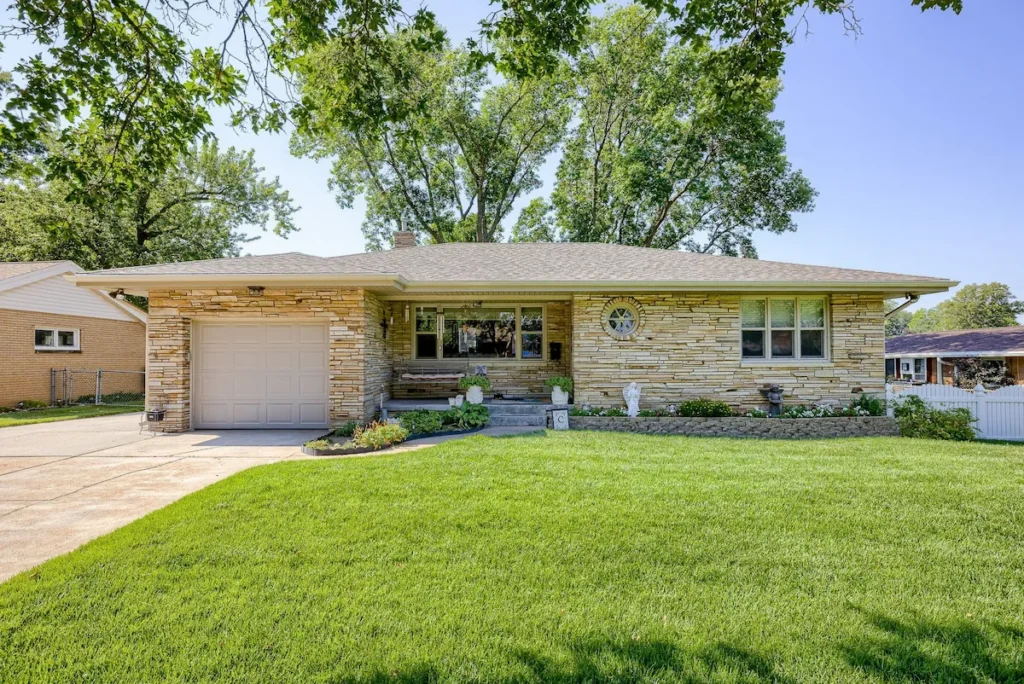
6. Strengthen curb appeal and the arrival experience
Buyers begin forming an opinion before they enter the home. The exterior does not need elaborate landscaping, but it should look maintained and easy to approach.
- Mow, edge, trim, and remove dead growth
- Clear leaves, debris, and unused exterior items
- Clean the front door, porch, steps, and light fixtures
- Make house numbers visible
- Repair loose railings, damaged screens, and obvious exterior defects
- Simplify planters and seasonal decor
- Check that the lockbox and entry process will be easy for showings
The arrival experience should signal that the property has been prepared thoughtfully, not decorated excessively.
7. Stage for function and flow
Staging is most useful when it helps buyers understand how a room works. It can improve furniture placement, traffic flow, scale, and room identity. It does not require renting an entire house of furniture in every situation.
Common priorities include:
- Making the main living area feel open and conversational
- Ensuring dining areas have a clear purpose
- Defining unusual rooms or flex spaces
- Removing furniture that blocks windows, doors, or pathways
- Using simple bedding and restrained decor in bedrooms
- Keeping basements and bonus areas understandable
Good preparation does not make buyers forget the home’s age or condition. It helps them understand the home without unnecessary distractions.
Professional observation from Lee Curtis
8. Prepare for professional photography
Photography should happen after repairs, cleaning, decluttering, staging, landscaping, and final touch-ups are complete. Photos often create the buyer’s first meaningful experience with the property, so unfinished preparation can reduce interest before a showing is ever scheduled.
Before the photographer arrives:
- Turn on all working lights
- Open blinds consistently
- Clear counters, sinks, tubs, and showers
- Remove trash cans, cleaning supplies, cords, and pet items where practical
- Straighten bedding, towels, rugs, and furniture
- Move vehicles and exterior equipment away from primary views
- Check mirrors, reflective surfaces, and glass for streaks
9. Make the home showing-ready
A home should be relatively easy to reset before showings. Overly complicated staging or storage plans often become difficult to maintain, especially for families living in the property.
Create a simple routine:
- Make beds and clear personal items.
- Wipe kitchen and bathroom surfaces.
- Open blinds and turn on key lights.
- Remove pet waste, food, and visible supplies.
- Take out trash and control odors.
- Check temperature and airflow.
- Leave the home early enough that buyers do not feel rushed.
10. Know when selling as-is is the better choice
Some sellers should not complete a long preparation list. An as-is or limited-preparation strategy may make more sense when the property needs extensive work, the seller has limited time or funds, the likely buyer expects renovations, or the cost and delay are unlikely to improve the net result enough.
As-is does not mean ignoring strategy. The home still benefits from accurate pricing, clear disclosure, basic safety and access, thoughtful presentation, and marketing that reaches the right buyer.
A practical Omaha home-preparation checklist
| Priority | Typical work | Main purpose |
|---|---|---|
| Essential | Leaks, safety, broken items, unfinished repairs | Reduce risk and buyer uncertainty |
| High impact | Cleaning, odors, clutter, lighting, curb appeal | Improve confidence and first impressions |
| Targeted | Paint, flooring repairs, caulk, hardware, minor updates | Remove visible objections |
| Presentation | Furniture placement, staging, photography readiness | Clarify space and function |
| Optional | Large remodels or premium upgrades | Only when the expected benefit supports the cost and delay |
Related preparation decisions
- What not to fix before selling your Omaha home
- Whether to stage before selling
- How professional listing photos fit the plan
- How to prepare a home with pets
- Whether painting is worth doing before you list
Frequently asked questions
How far in advance should I start preparing?
Many sellers benefit from starting several weeks or months before listing. That allows time to evaluate the home, prioritize work, schedule contractors, declutter gradually, and avoid rushed decisions.
Do I need to repaint the whole house?
No. Repainting is most useful where colors are very strong, walls are visibly worn, repairs are obvious, or the home lacks visual consistency. Clean, well-maintained paint may be sufficient even when it is not brand new.
Should I replace old carpet?
It depends on condition, odor, staining, price range, and what buyers expect. Cleaning may be enough in some homes. Severely damaged or strongly odorous carpet can become a major objection.
Do I need professional staging?
Not always. Some homes benefit from a consultation and rearrangement of existing furniture. Vacant, unusual, luxury, or poorly defined spaces may benefit more from partial or full staging.
What should I hide during showings?
Secure medications, valuables, financial records, firearms, keys, personal documents, and anything you would not want photographed or handled. Buyers will reasonably look at closets, cabinets that stay with the home, and storage spaces.
Start with the right plan for your Omaha home
A useful preparation plan starts with the home’s likely value, your timing, and which improvements are actually worth considering. I’ll help you sort those decisions before you spend money or begin work.

About Lee Curtis
Lee Curtis is an Omaha-area real estate agent with Realty ONE Group Sterling. He has worked in Omaha real estate since 2018 and has helped more than 150 families. His approach focuses on straight answers, local evidence, and making the right decisions in the right order.