Why Isn’t My Omaha Home Selling? A Stale Listing Diagnostic
When an Omaha home sits without the response a seller expected, the answer is not automatically “cut the price.” The better first step is to diagnose what buyers are telling you through their behavior: are they seeing the home, touring it, coming back, writing offers, or choosing something else?
A stale listing is usually a mismatch somewhere between the home, the price, the way it is presented, the way it is positioned against competing homes, and the friction buyers face when trying to see or understand it. The useful question is not simply, “Why hasn’t it sold?” It is, “Where is the breakdown happening?”
Quick answer
- Very few showings usually means the problem starts before buyers ever enter the home: price, online presentation, search positioning, or access.
- Plenty of showings but no offers usually means buyers see the home but do not believe the total package justifies the price.
- Repeated low offers can be a sign the market sees a value gap, even if the home is attracting attention.
- The same objection from multiple buyers deserves more weight than one person’s opinion.
- A price change can be the right move, but it should be a strategic repositioning based on evidence, not an automatic reaction to days on market.
Start with the response, not the days on market
Days on market matters because buyers can see that a property has been available for a while, but the number alone does not tell you what is wrong. A home can sit because it launched too high, because the photos do not show it well, because showings are difficult, because a major objection was not addressed, or simply because better alternatives are available at the same price.
The first diagnostic question is simple: where are buyers dropping out?
| What the listing is doing | What it may be telling you | What I would check first |
|---|---|---|
| Very few online inquiries or showings | The home may not be making the shortlist | Price range, search thresholds, first photo, photography, description, competition, showing access |
| Good showing activity, no second looks or offers | Buyers are interested enough to visit but not convinced by the value | Price versus condition, layout, updates, location, recurring objections |
| Second showings, still no offer | The home may be close, but another concern is preventing commitment | Specific feedback, competing homes, inspection-risk perceptions, terms, price gap |
| Offers are consistently well below list | Buyers may agree the home is worth considering but not at the current position | Comparable sales, active competition, concessions, condition, pricing strategy |
| Strong launch activity that fades quickly | The initial buyer pool looked but did not act | Whether the launch price was too ambitious, new competition, feedback pattern, missed early momentum |
1. Is the price creating the wrong comparison?
Price does more than determine what a seller receives. It determines which homes buyers compare with yours.
If your home is priced near better-updated properties, larger homes, stronger lots, newer construction, or a more desirable location, buyers may like your home and still choose the alternative. The problem is not necessarily that your home is bad. It may simply be competing in the wrong group.
This is why the right comparison includes both recent comparable sales and the homes buyers can purchase right now. Active listings are not proof of value, but they are proof of competition.
2. Is the online presentation earning the showing?
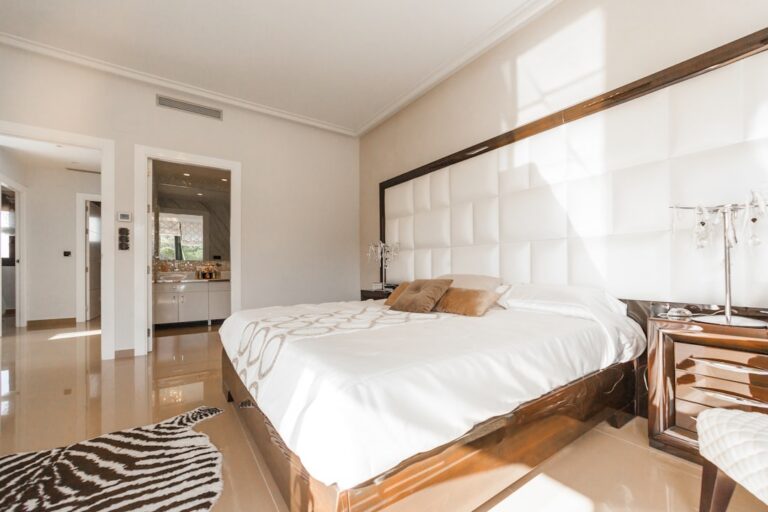
Most buyers decide whether a home deserves a closer look before they ever step inside. The first photo, photo order, lighting, room presentation, listing description, visible deferred maintenance, and how clearly the home’s strongest features are explained all affect that decision.
Good marketing cannot make an unsupported price work forever, but weak presentation can absolutely make a correctly priced home look less competitive than it is.
- Does the first photo immediately communicate the home’s strongest visual advantage?
- Do the photos make the rooms easy to understand?
- Are there dark, cluttered, repetitive, or poorly framed images creating doubt?
- Does the description explain the features that matter, or merely list facts?
- Are important updates, lot characteristics, garage space, finished areas, or location advantages easy to find?
3. Is condition creating an objection buyers cannot price?
Buyers can handle imperfections when they understand the tradeoff. They become more hesitant when they see a combination of aging systems, unfinished maintenance, cosmetic work, or unclear repair needs and cannot easily estimate what they are taking on.
A dated kitchen may be perfectly acceptable at one price. The same kitchen can become a problem when the home is priced beside remodeled competition. A worn roof, old HVAC system, drainage concern, damaged flooring, strong odor, or visible deferred maintenance can create the same issue.
The solution is not automatically to fix everything. Use the improvements most likely to improve marketability, and leave low-return projects alone when the price can account for them more efficiently.
Before changing the price, diagnose the listing
Has your listing already expired? Read my comparison of relisting with the same agent versus hiring someone new before deciding on the next step.
I’ll compare the home with the recent sales, current competition, buyer response, presentation, and likely objections so you can see what is actually holding it back.
4. Is the listing easy enough to see?
A home cannot sell to a buyer who never gets inside. Restricted showing windows, long notice requirements, frequent denied appointments, unclear instructions, difficult access, or a seller schedule that eliminates evenings and weekends can quietly reduce the buyer pool.
Not every seller can offer unlimited access, and security and household needs still matter. The point is to understand the tradeoff. If the showing schedule is unusually restrictive, the rest of the strategy may need to work harder to compensate.
5. Has the competition changed since you listed?
A listing is not competing only with the homes that were available on day one. New listings appear. Competing sellers improve their price. Builders change incentives. Pending homes remove options from the market. A nearby property may return after a failed contract.
If your home has been active for several weeks, rebuild the competitive set from scratch. Ask what a buyer with your likely price range would choose today, not what was available when the listing launched.
How much should seller feedback matter?
Individual feedback can be noisy. One buyer may dislike a paint color another buyer loves. One person may want a larger yard even though the property was never going to compete on acreage.
Patterns are different. If multiple unrelated buyers mention the same concern, that deserves attention. The question is whether the objection can be fixed, explained, or priced around.
- Fix it when the issue is inexpensive, visible, and likely to remove an objection.
- Explain it when buyers may be misunderstanding a feature, update, boundary, system, or property detail.
- Price around it when the issue is real but expensive or impractical to change.
- Ignore it when the feedback is isolated and not relevant to the likely buyer pool.
A stale listing is not a reason to panic. It is a reason to stop guessing and figure out exactly where buyers are saying no.
Professional observation from Lee Curtis
When a price reduction is the right move
A price reduction makes sense when the evidence shows the current price is keeping the home in the wrong competitive position or when buyer activity confirms that the market does not support the current number.
The better outcome is often avoiding an unsupported starting price in the first place. See Should You Price Your Omaha Home High and Negotiate Down?
The strongest change is usually large enough to create a new reason for buyers to reconsider the home. A series of tiny reductions can change the number without changing the comparison. That can leave the listing looking stale while still competing against the same better alternatives.
The revised price should be chosen the same way the original price should have been chosen: from the home’s value range, current competition, search thresholds, condition, and the response you want to create. See How to Price Your Omaha Home to Sell for the full framework.
Should you cancel and relist?
Taking a listing off the market and relaunching it does not erase the underlying problem. Buyers and agents may still be able to see prior listing history, and a new listing date does not create new value by itself.
A relaunch can make sense when the strategy is actually changing: new price, materially better presentation, corrected information, improved condition, better access, different timing, or a stronger overall launch. The reset should give buyers a reason to see the home differently, not simply restart the clock.
The five-part stale-listing review I would use
- Rebuild the value range. Review the best recent sales and account for condition, location, lot, layout, garage, updates, and buyer alternatives.
- Rebuild the competitive set. Look at what buyers can choose today, including new listings, price changes, pending homes, and relevant new construction.
- Audit the presentation. Review the first photo, entire photo sequence, description, visible condition, staging, and whether the strongest features are obvious.
- Audit the response. Separate online attention, showing activity, second showings, feedback, and offers so you can see where buyers are dropping out.
- Choose one coordinated reset. Decide whether the evidence calls for a price change, presentation change, repair, access improvement, marketing correction, or some combination.
That process is more useful than blaming the market, blaming the agent, or cutting the price before you understand the problem. It also connects directly to the broader Omaha home-selling process.
Frequently asked questions
How long is too long for a house to sit on the market in Omaha?
There is no single number that applies to every Omaha home. Price range, neighborhood, property type, condition, season, and current competition all affect the normal timeline. The more useful question is whether the home is getting the level of qualified activity similar competing homes are receiving.
Should I lower the price if my home has no offers?
Possibly, but first determine whether buyers are seeing the home and where they are dropping out. If showings are low, price may be part of the problem, but online presentation, search positioning, competition, and access should be checked too. If showings are strong but offers are absent, the price-to-condition relationship deserves especially close review.
Does a stale listing make buyers think something is wrong?
It can create questions. Buyers may wonder why others have passed, whether the seller is flexible, or whether there is an issue they have not noticed. A clear repositioning can reduce that uncertainty when the price, presentation, or information now better matches the market.
Can better photos fix an unsold listing?
Better photos can improve attention and showings when presentation is weak, but photography cannot permanently overcome an unsupported price or a major property objection. The listing should be diagnosed as a complete package.
What should I do if my listing expired without selling?
Before relisting, review the full history: original price, price changes, competing sales and listings, showing volume, buyer feedback, offers, photos, condition, access, and how the market changed while the home was listed. Then relaunch only after you know what will be different.
Get a fresh read on what is holding the listing back
If your Omaha home listing expired or was canceled, I can help you compare relisting with your previous agent, choosing a different listing strategy, or waiting to sell. I’m Lee Curtis with Realty ONE Group Sterling. I’ll review the pricing, competing homes, presentation, and buyer feedback so you can make an informed decision without pressure.
I’ll review the pricing, competition, presentation, buyer response, and property-specific objections, then give you a clear explanation of what I would change and what I would leave alone.
If your listing has stalled, the next step should be a property-specific diagnosis. See how I approach an Omaha home-selling strategy, starting with a fresh review of the home and current market evidence.

About Lee Curtis
Lee Curtis is an Omaha-area real estate agent with Realty ONE Group Sterling. He has worked in Omaha real estate since 2018 and has helped more than 150 families. His approach focuses on clear answers, local evidence, and making the right decisions in the right order.