Selling a House With Pets: What Omaha Sellers Should Know
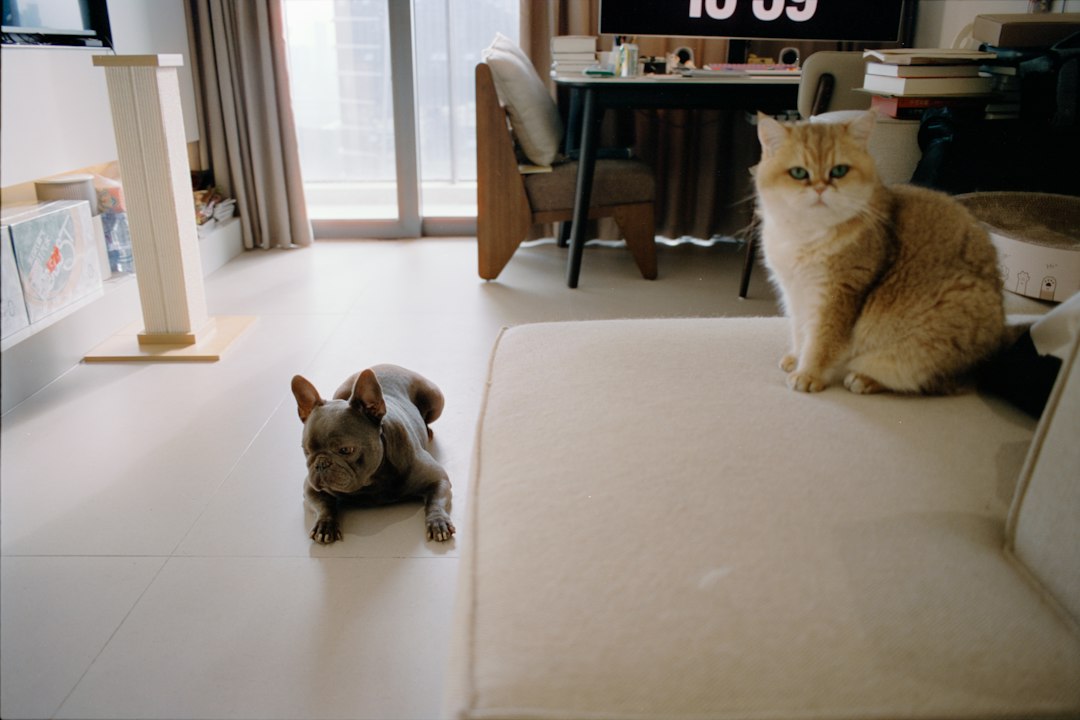
You can absolutely sell an Omaha home while living with pets, but buyers should notice the house before they notice the animals. The main issues are odor, hair, visible damage, yard condition, showing logistics, and keeping both the pets and visitors safe.
Quick answer
Before listing, repair obvious pet damage, deep-clean soft surfaces, remove excess pet equipment, stay ahead of litter boxes and yards, and create a showing plan that gets pets safely out of the home whenever practical. Ask someone who does not live in the house to give you an honest odor check.
PET-FRIENDLY SELLING PLAN
Focus on the things buyers notice first
- Odor
- Hair and cleanliness
- Scratches or damage
- Showing and yard logistics
Start with odor because owners can stop noticing it
People who live with a smell every day often become accustomed to it. That includes litter boxes, dog beds, carpet, furniture, accidents, kennels, and heavily used pet areas.
I would ask a friend, cleaner, or agent who does not live in the home to be direct. Masking odor with strong fragrance can create another problem. Cleaning the source is better.
Deep-clean the surfaces that hold hair and odor
Carpet, rugs, upholstery, curtains, baseboards, vents, and corners where hair collects deserve extra attention. Replace or professionally clean items when normal cleaning will not solve the issue.
If there has been repeated pet urine in carpet or pad, surface cleaning may not be enough. Find the actual source before photography and showings.
Repair obvious pet damage
Chewed trim, scratched doors, torn screens, damaged flooring, scratched cabinets, and holes in the yard can make buyers wonder what else has been neglected. Small repairs can improve the overall impression of maintenance.
That does not mean rebuilding the home because a pet lived there. Use the same cost-versus-benefit test as any other pre-sale repair.
Reduce visible pet equipment
You do not need to pretend pets do not exist, but a room full of crates, gates, feeding stations, beds, toys, scratching posts, and litter supplies can make the space feel smaller and distract from the house.
Keep what you need for daily life and store the rest during the listing period.
Have a clear showing plan
Whenever practical, pets should be out of the home during showings. That protects the animal, makes buyers more comfortable, and prevents an escaped pet or an unexpected interaction.
If removing a pet is not possible, the showing instructions need to be clear. Do not assume every visitor is comfortable around animals.
Do not forget the yard
Pick up pet waste before every showing, repair heavily damaged lawn areas when practical, and make sure gates and fences function correctly. The yard is part of the buyer’s first impression too.
Prepare differently for photography
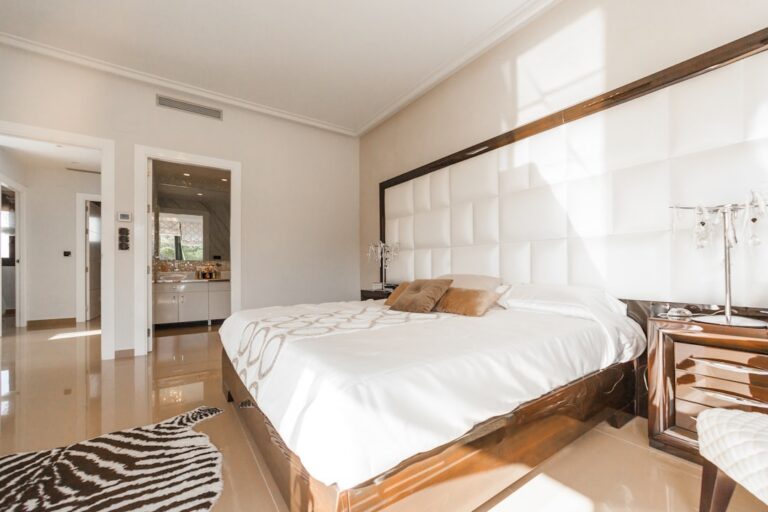
Bowls, beds, crates, litter boxes, toys, gates, and pet supplies should usually be minimized or removed for listing photos when possible. The photos should sell the room, not document the pet setup.
See why professional listing photos matter for an Omaha home sale.
How pets affect open houses
An open house can create a longer window when the pets need to be elsewhere, but it can also reduce the number of separate showing interruptions. If an open house fits the property, build the pet plan before advertising it.
My guide to whether open houses help sell Omaha homes explains when I would use one.
The bottom line
Selling with pets is mostly a preparation and logistics problem. Control odor, clean thoroughly, repair obvious damage, simplify the pet setup, and have a safe plan for showings.
For the broader checklist, read how to prepare your Omaha home for sale. For the full selling process, use my complete Omaha home-selling guide and seller strategy.