What Should an Omaha Seller Do When the Buyer Asks for Repairs After Inspection?
When a buyer asks for repairs after inspection, an Omaha seller does not automatically have to agree to every request. The right response depends on the purchase agreement, the seriousness of the issue, financing, buyer leverage, repair cost, whether the problem is likely to come up with the next buyer, and how much risk the seller is willing to take.
Quick answer
Sort the request into major defects, financing or insurance issues, normal maintenance, and cosmetic preferences. Then compare four options: repair it, offer a credit when permitted, adjust the price, or decline the request. The best answer protects the seller’s net without creating avoidable risk that the transaction falls apart.
REPAIR REQUEST DECISION
Evaluate each item separately
- Is it a real defect?
- Could financing or insurance be affected?
- What does it cost to solve?
- Would the next buyer raise the same issue?
Start with the contract
The inspection rights and response options depend on the signed purchase agreement. The Nebraska Real Estate Commission’s consumer guide explains that buyers often negotiate inspection provisions into the contract and that the parties need to follow the agreement when inspection issues arise.
See the Commission’s consumer guide to buying and selling homes.
Separate major problems from a long maintenance list
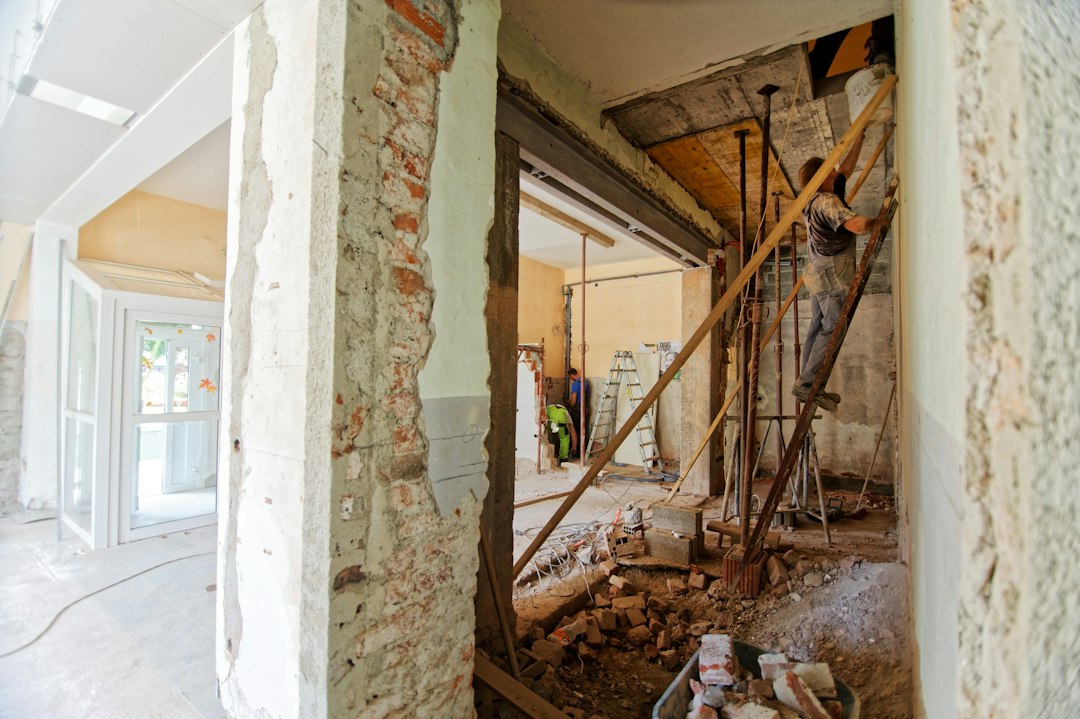
A request involving active water intrusion, unsafe electrical work, structural movement, a failed sewer line, a damaged roof, or a nonfunctioning major system deserves different attention from loose handles, cosmetic caulk, aging finishes, or routine maintenance.
The number of items matters less than the importance of the items.
Option 1: Make the repair
Repairing the issue can make sense when the problem is clear, the work is reasonably priced, there is enough time before closing, and the seller is comfortable controlling the contractor and scope.
Get written invoices or receipts when the contract requires proof and make sure the work is completed by the deadline.
Option 2: Offer a credit
A credit can avoid the seller managing repairs and let the buyer choose the contractor after closing. But lender and appraisal rules can limit how credits are structured, and a credit does not solve a condition that must be repaired before financing or insurance will work.
Option 3: Adjust the price
A price reduction can be useful when the buyer wants compensation for a known issue but does not need cash at closing to fix it. The economic effect can be different from a credit, so the lender and agents need to confirm what actually helps the buyer.
Option 4: Say no
Sometimes declining the request is reasonable. If the price already reflects condition, the request is mostly cosmetic, the seller has strong leverage, or the item is normal maintenance, agreeing may not improve the seller’s outcome.
The risk is that the buyer may have a contractual right to terminate depending on the inspection language and timing.
Which repairs are most likely to become transaction problems?
Items that affect safety, active damage, insurability, lender requirements, habitability, or large unknown costs deserve the most attention. A roof that cannot be insured or a major electrical issue can create a different problem than worn carpet.
What if the buyer asks for everything on the report?
I would not treat the inspection report as a seller punch list. A home inspector’s job is to identify conditions and observations. The negotiation should focus on what materially changes the buyer’s risk or the agreement between the parties.
Would the next buyer ask for the same thing?
This is one of the most useful seller questions. If the current buyer walks and the defect is likely to be discovered again, refusing to address it may only postpone the decision and add another round of carrying costs.
What if a repair request reveals a disclosure issue?
If the inspection uncovers a material condition the seller now knows about, disclosure obligations may need to be revisited. See Nebraska seller disclosure requirements and ask an attorney when the legal obligation is unclear.
The bottom line
An Omaha seller can often repair, credit, renegotiate, or decline an inspection request depending on the contract and the issue. The goal is not to “win” every item. It is to keep the transaction economically sensible while protecting the seller from unnecessary risk.
For the broader process, read how home inspections affect Omaha sellers.